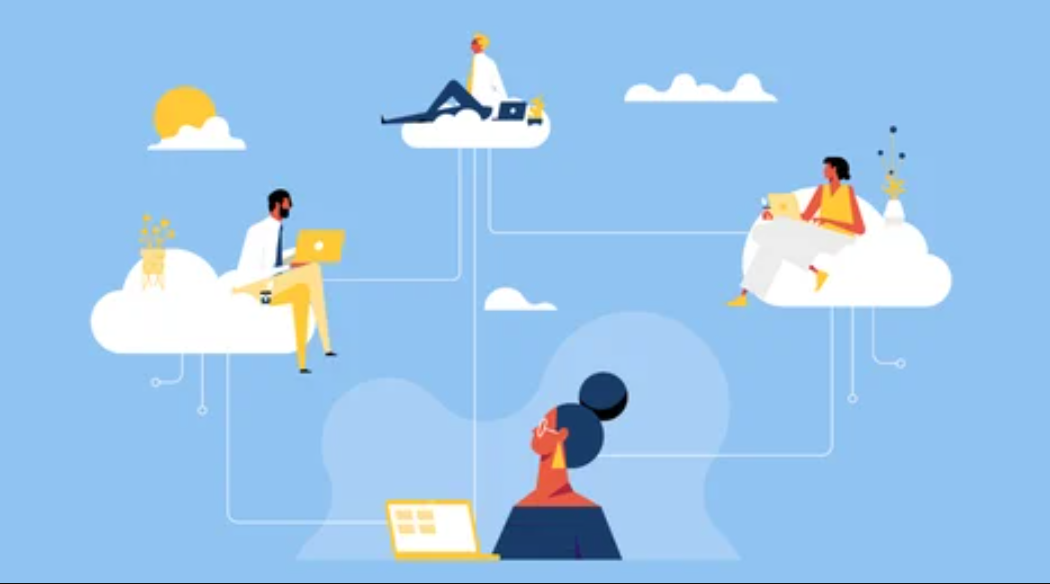
Cloud technology centralizes access to data and tools, enabling real-time collaboration across distributed teams. It offers scalable capacity, predictable costs, and robust security with governance mappings. Shared workspaces support co-editing and clear ownership, speeding validation and workflow clarity. These elements reduce latency and bolster productivity while preserving autonomy within policy-aligned governance. The result is measurable IT agility and resilience, but questions remain about aligning cloud choices with specific regulatory and operational needs.
How Cloud Tech Enables Real-Time Remote Collaboration
Cloud technology enables real-time remote collaboration by providing centralized, scalable access to shared data and tools from any location. It supports real time presence across devices and teams, enabling synchronized decision-making. By reducing latency and enabling cross border collaboration, organizations gain agility, traceable workflows, and unified dashboards. The model emphasizes efficiency, governance, and strategic alignment while preserving individual autonomy and flexible work patterns.
Securing Data and Ensuring Compliance in the Cloud
The shift to cloud-enabled collaboration introduces the need to protect data and enforce compliance across distributed environments. In this framework, organizations pursue robust governance and verifiable controls, balancing flexibility with risk mitigation. Secure encryption and regulatory mapping emerge as foundational practices, enabling visibility, decisive remediation, and auditable posture while preserving autonomy and innovation. Strategic controls align security with business objectives and freedom.
See also: The Benefits of Cloud Technology in Modern Enterprises
Boosting Productivity With Shared Workspaces and Co-Editing
Shared workspaces and co-editing tools streamline collaborative workflows by enabling simultaneous input, version control, and real-time feedback across distributed teams. They elevate productivity through structured workflows, clear ownership, and immediate validation.
Shared governance aligns contributors with policy, while cross functional governance ensures accountability across departments, balancing autonomy and oversight. This approach supports freedom while preserving discipline, reducing friction, and accelerating outcome-oriented decision making.
Cost, Scalability, and Resilience: The Business Case for Cloud Collaboration
Cost, scalability, and resilience form the core business case for cloud collaboration, offering predictable cost structures, elastic capacity, and robust continuity.
The model frames decisions around scalability cost, balancing upfront investments with ongoing savings, and resilience cost, prioritizing fault tolerance and recovery planning.
Decision makers pursue measurable value, aligning IT agility with competitive strategy while maintaining disciplined governance and cost visibility.
Frequently Asked Questions
How Does Cloud Take Offline Access Into Account for Remote Teams?
Cloud solutions address offline access by enabling local caching and automatic sync upon connectivity restoration; mobile synchronization ensures data consistency across devices, while robust conflict management preserves work autonomy, empowering remote teams to operate freely despite intermittent network conditions.
Can Cloud Tools Support Non-Traditional or Multilingual Workflows?
Certainly, cloud tools support multilingual workflows and non traditional collaboration with adaptable interfaces and translation features; they enable fluid, strategic coordination across languages, time zones, and formats, fostering freedom-driven, cross-cultural productivity within distributed teams.
What Are Latency Impacts on International Collaborators?
Latency impacts for international collaborators include latency variability and international jitter, affecting synchronization and perceived responsiveness. The analysis suggests prioritizing edge delivery, adaptive routing, and QoS controls to minimize variation while preserving user freedom and collaboration flow.
How Do Updates Affect Compatibility With Legacy Systems?
Anachronism: a tablet rebooting during a conference telecast. Updates affect compatibility, necessitating careful change management; updates compatibility hinges on modular architectures and versioning. Legacy integration benefits from adapters, phased rollouts, and robust deprecation paths for sustained freedom.
What Is the Learning Curve for First-Time Cloud Users?
The learning curve for first-time cloud users is moderate, with onboarding speed and user adoption improving as security basics and access controls are understood, enabling confident exploration while maintaining autonomy and strategic control over sensitive data and workflows.
Conclusion
Cloud technology enables real-time collaboration, secure governance, and scalable productivity across dispersed teams. It offers centralized access, policy-aligned controls, and co-editing capabilities that accelerate decision-making while preserving autonomy. It ensures reliable performance, predictable costs, and resilient operations under fluctuating demand. It unifies data ownership, enhances visibility, and strengthens compliance. It transforms collaboration into a strategic asset, delivering measurable IT agility, operational efficiency, and workstream velocity—while maintaining security, governance, and full governance alignment.